
What is a GLP-1?

The full term GLP-1 RA stands for glucagon-like peptide–1 receptor agonist (that we more simply call GLP-1 on this website).1 It’s a type of medication used to treat type 2 diabetes by mimicking the natural GLP-1 hormone that occurs in your body, which triggers insulin release, slows digestion and reduces appetite.1,2 Examples of GLP-1 medications, usually given by injection,
include semaglutide, exenatide, liraglutide and dulaglutide.1,2
WHAT ARE GLP-1s FOR?
GLP-1 medications are indicated to treat poorly controlled type 2 diabetes, in addition to proper diet and exercise.2 Doctors may also prescribe certain GLP-1 medications (like semaglutide or high-dose liraglutide) for weight loss, along with other health conditions, if losing weight can help manage the coexisting conditions.2
WHO CAN USE GLP-1s?
People living with type 2 diabetes can use a GLP-1 medication.1,2 It may also be prescribed to assist with weight loss and other coexisting conditions.2
GLP-1s are not suitable for people who:
• Have type 1 diabetes2
• Have a personal or family history of:1
√ Thyroid cancer
√ Multiple endocrine neoplasia syndrome
√ type 2 (MEN 2)
Pancreatitis (inflammation of the pancreas)
• Are pregnant or breastfeeding1,2
• Have vision problems associated with type 2 diabetes (uncontrolled diabetic retinopathy)2
HOW DO GLP-1s WORK?
GLP-1 medications mimic the natural GLP-1 hormone in your body to regulate your blood glucose (sugar) levels.2
It does this by binding to the GLP receptors in your body to trigger the actions of the GLP-1 hormone.2
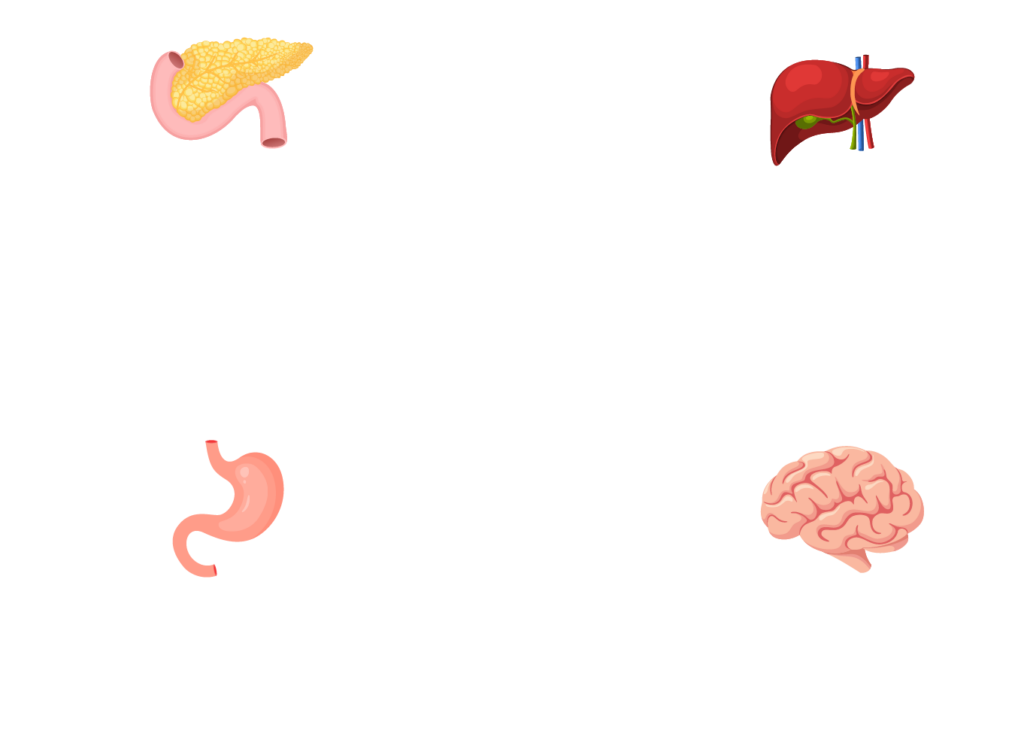
The GLP-1 hormone is made in your small intestine and has several roles in different parts of your body:2
POTENTIAL SIDE EFFECTS OF GLP-1s
When using a GLP-1 medication, it’s important to be aware of possible side effects, including:2
• Loss of appetite
• Nausea
• Vomiting
• Diarrhoea and/or indigestion
• Dizziness
• Headaches
• Mildly increased heart rate (tachycardia)
• Mild itching or redness at the injection site
Common side effects are more likely to happen when you start the medication or if you increase your dose.2
SAFETY CONCERNS WHEN USING GLP-1s
Inflammation of the pancreas (acute pancreatitis) has been reported with some cases of GLP-1 medication use.1
There is also a risk of low blood glucose levels (hypoglycaemia) when using a GLP-1 combined with a sulphonylurea and insulin.1
Contact your doctor if you experience any serious side effects or symptoms of an allergic reaction (like persistent itching and redness).2
Important to note:
You should only use a GLP-1 under medical supervision from your doctor.3
Always use antidiabetic medications, including GLP-1s, exactly as your doctor has told you.3 Check with your doctor, pharmacist or nurse if you have any questions.3
Keep following the diet and lifestyle advice received from your doctor while using antidiabetic medications.3
Always be sure to get your GLP-1 medication from a trusted pharmacy, and be cautious of compounding pharmacies.1
